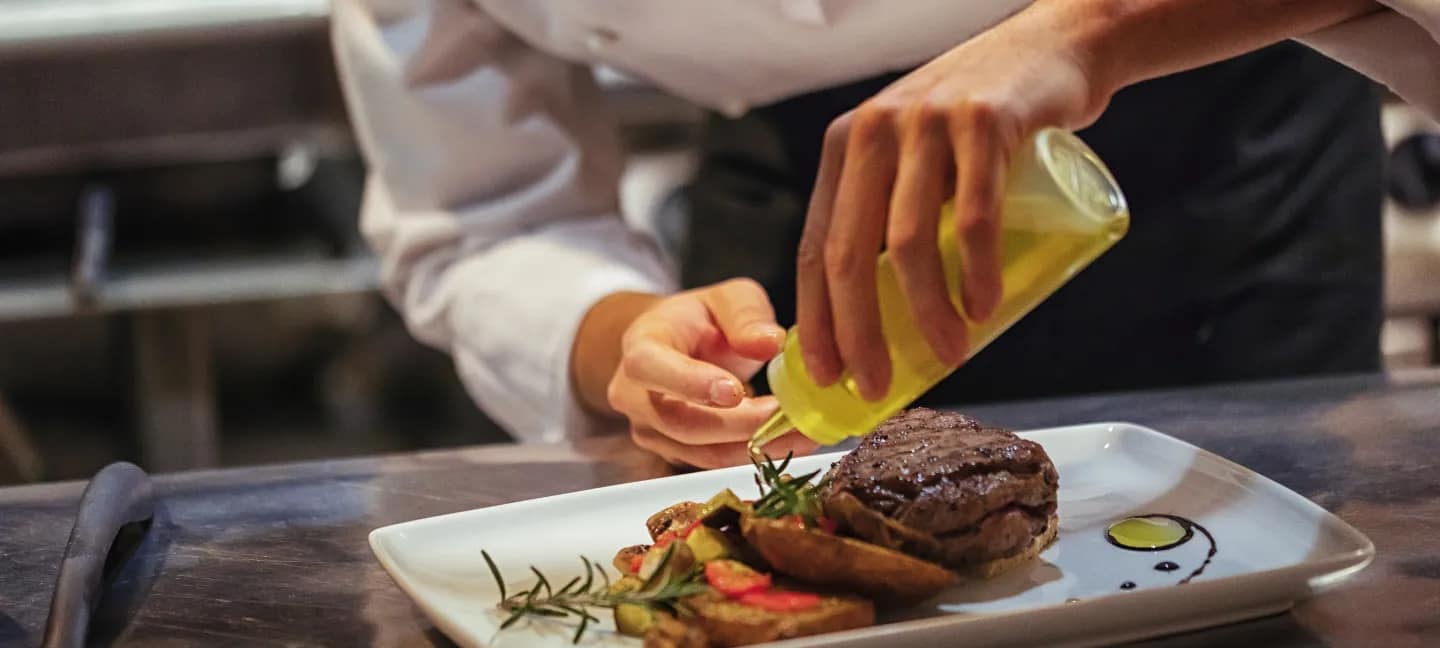

You don’t need a starred restaurant to find true luxury at the table. In Brazil, it hides in recipes passed down through generations, in ingredients that grow only in sacred lands, and in gestures that transform food into cherished memories.
From moqueca with dendê oil in Bahia to barreado in Paraná, from maniçoba in Pará to feijão tropeiro in Minas Gerais, each dish is a portrait of identity, a living cultural heritage served on platters. True luxury is in the flavor that moves you because it carries a story. And like every well-told story, it remains—even when reinvented.
Brazilian cuisine is an alchemy of influences: indigenous, African, Portuguese, and many others that arrived over time. Each region of the country interpreted these heritages in its own way, resulting in a menu of contrasts and riches. In the North, we find Amazonian flavors with citrus and smoky notes; in the Northeast, the heat of the sun blends with the seasoning of cilantro and the strength of dendê oil; in the South, the robustness of barbecue coexists with the delicacy of artisanal cheeses.
At the Brazilian table, luxury is not ostentation. It is the discreet elegance of the housewife who prepares her grandfather’s recipe with the same wooden spoon used for decades. It is the smile of someone who tastes a dish and travels back in time. It is the ritual that transforms the simple into the extraordinary. When serving galinhada cooked on a wood stove, more than food is offered: a sense of belonging is shared.
In today’s context, chefs have been rescuing these roots and bringing a new appreciation for regional cuisine to major cities. The return to local ingredients and ancestral techniques has come to be seen as a sign of sophistication, not backwardness. And this changes everything. Because, in the end, true Brazilian luxury is knowing where you come from—and taking pride in it.