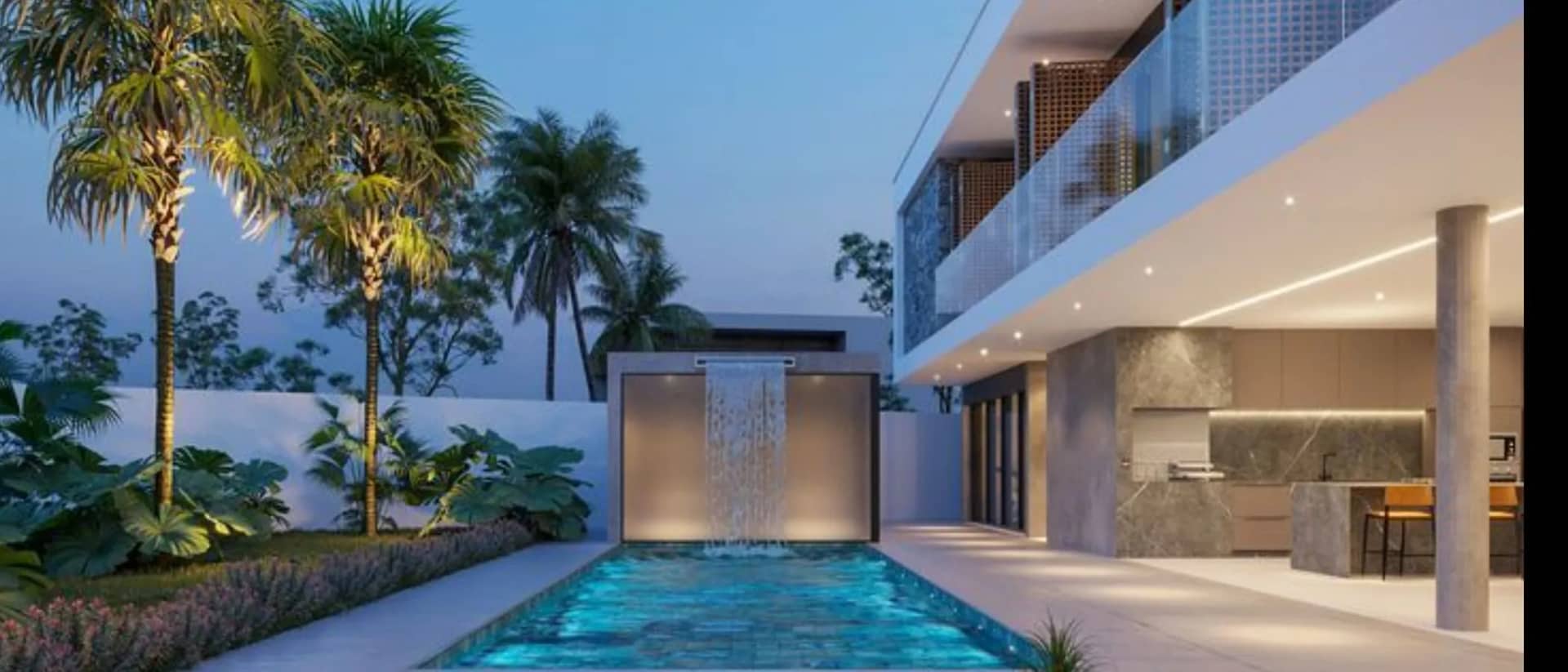
Common Areas Take Center Stage in High-End Real Estate Developments
Áreas comuns ganham protagonismo nos empreendimentos de alto padrãoOs empreendimentos residenciais de alto padrão vivem uma nova fase no mercado brasileiro.
Common Areas Take Center Stage in High-End Real Estate Developments
High-end residential developments are experiencing a new phase in the Brazilian market. Beyond spacious layouts, prime locations, and sophisticated finishes, current projects have begun to heavily invest in experiences, convenience, and well-being within the condominium itself.
Common areas have ceased to be mere complements of the development and now play a central role in the purchasing decision. Pools with integrated service, wellness spaces, areas for sports activities, entertainment rooms, and facilities dedicated to content creation are some examples of the new generation of amenities transforming the concept of upscale living.
This trend aligns with significant changes in urban lifestyle. With more hybrid routines, residents have come to value developments that offer leisure, socialization, productivity, and relaxation all in one address. In this context, the condominium becomes an extension of the home itself.
Among the most frequent highlights in recent launches are spaces inspired by luxury hospitality and international resorts. Outdoor environments integrated with landscaping, sophisticated furniture, and open-air social areas help create more welcoming and exclusive experiences for residents and their guests.
The segment also sees strong appreciation for sports and wellness-related amenities. High-performance gyms, full-service spas, specialized courts, and sports simulators emerge as differentiators capable of elevating the perceived exclusivity of the projects.
Another relevant movement is the incorporation of spaces dedicated to entertainment and the creative economy. Private cinemas, music studios, and environments equipped for recording podcasts and videos reflect the influence of the digital lifestyle on the contemporary real estate market. More than passing trends, these environments respond to new consumer, work, and leisure habits.
In the multifamily segment and developments aimed at younger, more connected audiences, the concept of shared living also gains strength. Communal areas promote interaction, networking, and collective experiences, reinforcing the sense of community within residential complexes.
For industry specialists, contemporary luxury is increasingly associated with experience and personalization. Residents seek practicality, comfort, and services that simplify daily life without sacrificing sophistication.
In this scenario, common areas assume a strategic role for developers and adopt concepts previously restricted to premium hospitality, private clubs, and international resorts. The result is a real estate market more focused on lifestyle, well-being, and memorable experiences