
How Santa Catarina Became a National Public Safety Benchmark
SSP/SC
Santa Catarina has consolidated itself year after year as the safest state in Brazil, posting crime rates substantially below the national average. While many regions of the country face growing challenges in combating urban violence, the Santa Catarina model stands out for its combination of proactive planning, the use of artificial intelligence, coordination among police forces, and strong socioeconomic development.
PORTAL CONCÓRDIA
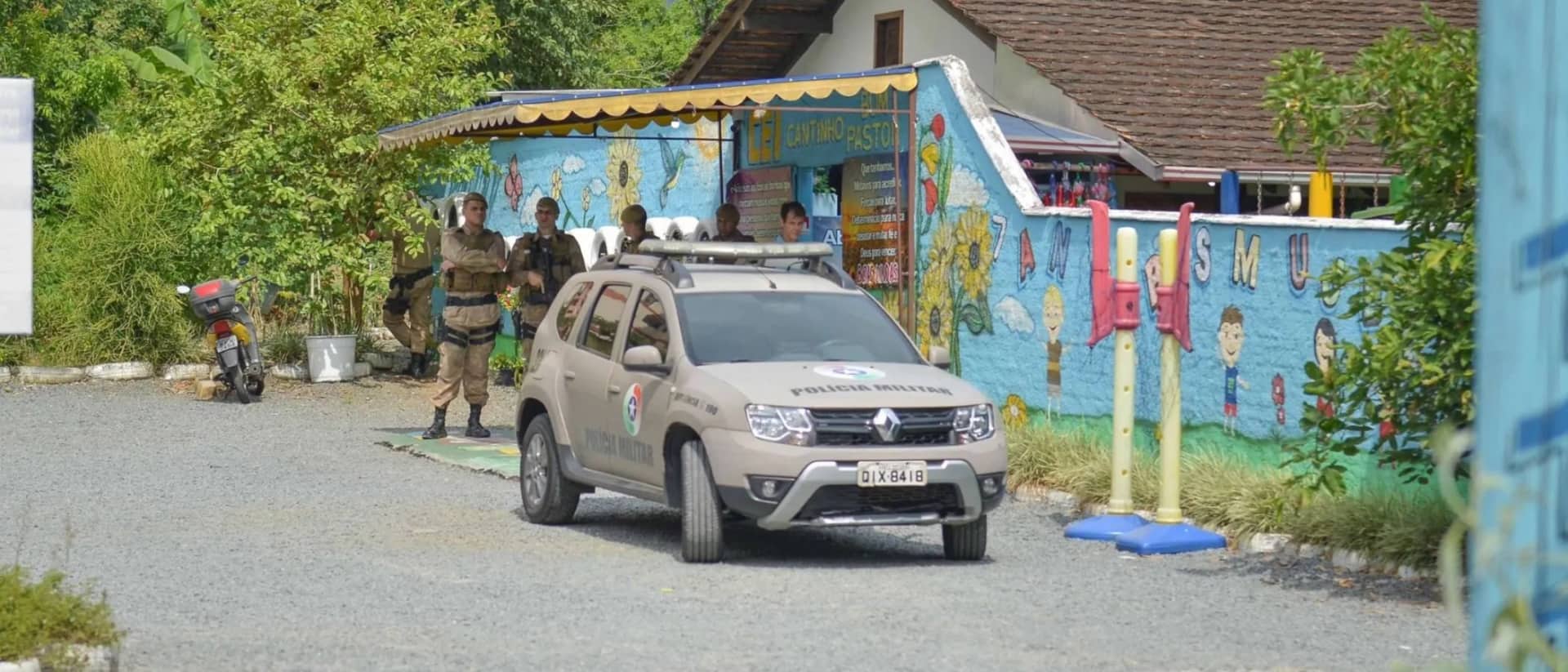
Military Police in proactive operations. Source: Anadolu / Anadolu Agency via Getty Images
Numbers That Confirm the Leadership
The State Competitiveness Ranking reports and surveys by the Brazilian Public Security Forum place Santa Catarina at the top of the country in personal and property safety.
Secretaria Executiva de Articulação Nacional
Continued decline in homicides: The state maintains Brazil's lowest rate of intentional violent deaths per 100,000 inhabitants.
Capital and standout municipalities: Florianópolis leads the ranking of the safest state capitals in the country, followed by inland cities such as Jaraguá do Sul and Brusque, among the municipalities with the lowest violence rates in Brazil.
PORTAL CONCÓRDIA
Crime resolution: The Santa Catarina Civil Police has homicide clearance rates above 80%, a level comparable to that of developed countries.
The Pillars of the Santa Catarina Model
The success of public safety in the state is no accident. It is an ecosystem built on four fundamental pillars:
Operational Integration: Military Police, Civil Police, Forensic Police, and Military Fire Department work in a coordinated manner in joint operations under the management of the State Secretariat for Public Security (SSP-SC).
Technological Investment: Broad use of artificial intelligence, digital fencing with license plate recognition cameras (LPR), facial recognition, and integrated real-time monitoring systems.
Training and Appreciation: Ongoing training and continuous modernization of security forces, ensuring modern infrastructure for both physical and cyber patrols.
Socioeconomic Factor: Low unemployment rates and strong community engagement create a social environment conducive to primary crime prevention.
Florianópolis, the safest capital in Brazil. Source: Cristian Lourenço / Getty Images
Future Challenges and Innovation
Despite the positive results, public safety in Santa Catarina is focusing its efforts on addressing new criminal scenarios, such as the migration of offenses to the virtual environment and proactive protection against domestic violence through preventive programs, such as Rede Catarina de Proteção à Mulher.
The case of Santa Catarina shows that the integration of intelligence, continuous investment in technology, and social cohesion are the most efficient path to ensuring peace and quality of life for the population.