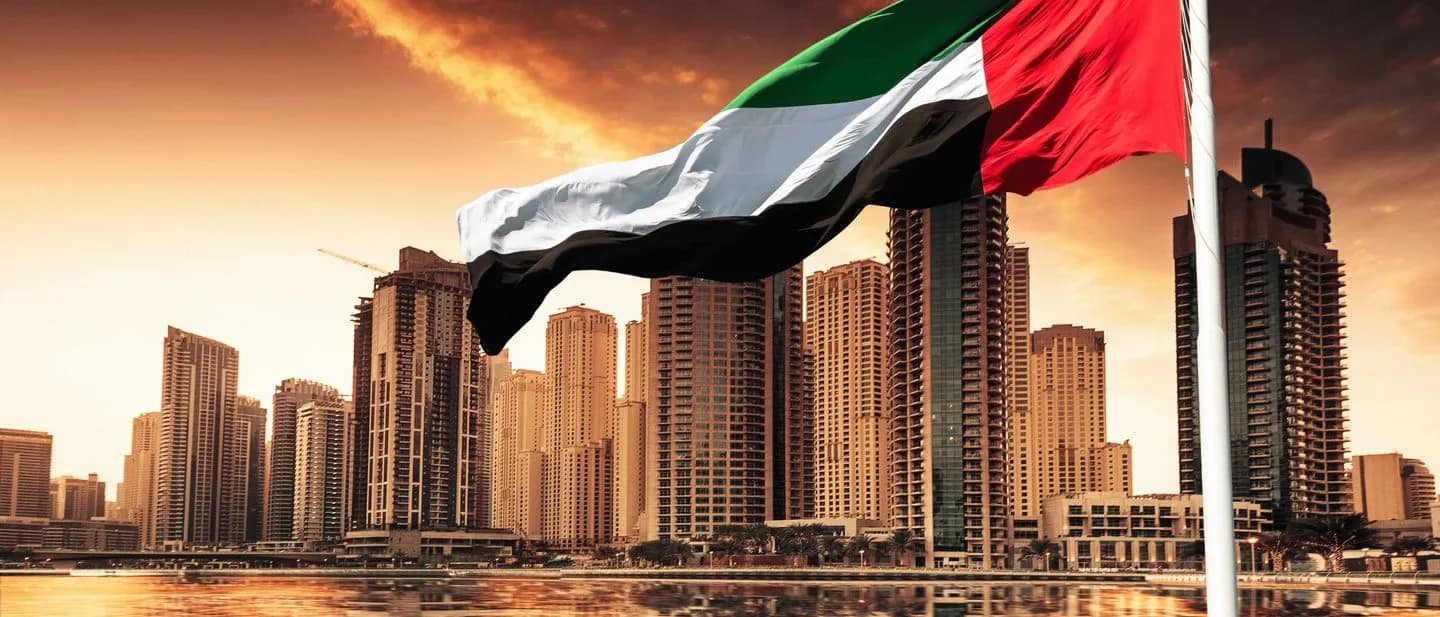
Dubai has transformed, in just over two decades, into one of the most dynamic and international real estate markets in the world. The city combines strong domestic demand, high foreign participation, a clear regulatory environment, and a global positioning that supports liquidity and appreciation.
For those intending to live, invest, or diversify assets, understanding the reality of prices, costs, and regions is essential.
How the real estate market in Dubai works
Foreigners can buy properties in areas called freehold, with full ownership rights.
Key market features:
- Direct purchase in own name or company
- Fast registration at the local registry (Dubai Land Department)
- High transparency in transactions
- Wide availability of new developments and ready-to-move-in properties
The market is strongly investor-oriented, with a structure designed to facilitate foreign capital entry.
Main sought-after regions
Some areas concentrate higher demand from residents and investors:
- Downtown Dubai
- Dubai Marina
- Palm Jumeirah
- Business Bay
- Jumeirah Village Circle (JVC)
- Dubai Hills Estate
Each region presents distinct profiles of price, liquidity, and target audience.
Price ranges (reference)
Values vary according to location, standard, and view:
- Studios: from more affordable ranges in emerging areas
- 1 and 2-bedroom apartments: wide variation depending on neighborhood
- Villas and mansions: premium and ultra-luxury segment in specific zones
Dubai offers everything from entry-level opportunities to ultra-high-end assets.
Profitability and rental returns
The rental market is one of the most active in the world.
It is common to find:
- Attractive gross annual yields
- Strong demand for medium and long-term rentals
- Growing short-term rental market (vacation)
This positions Dubai as a strategic destination for generating passive income.
Costs associated with purchase
Besides the property price, the buyer should consider:
- Property registration fee
- Brokerage fees
- Administrative costs
- Any condo fees
Even with these costs, the process is considered simple compared to many countries.
Cost of living in Dubai: a realistic view
Dubai is not a cheap city, but it offers an excellent balance between cost and infrastructure.
Main components:
- Housing: the largest budget item
- Food: wide range of prices
- Transportation: relatively affordable
- Education: predominantly private schools
- Healthcare: mandatory insurance
The chosen lifestyle strongly influences the monthly budget.
Comparison: living vs investing
Dubai serves two main profiles well:
Those who want to live
Seek quality of life, safety, schools, and mobility.
Those who want to invest
Seek liquidity, income, and appreciation.
Many foreigners combine both objectives.
Market trends
- Continuous population growth
- Strong pipeline of new projects
- Increased demand for ready-to-move-in properties
- Expansion of the luxury and branded residences segment
These trends support long-term attractiveness.
Risks and points of attention
- Cyclical market fluctuations
- Correct choice of region
- Analysis of developer’s track record
- Financial and legal planning
Specialized professional support is recommended.
Who is Dubai especially interesting for in real estate?
- International investors
- Expatriate professionals
- Globally mobile families
- People seeking asset protection
- Portfolio diversification
Conclusion
Dubai's real estate market combines liquidity, openness to foreigners, profitability, and world-class infrastructure. Together with a flexible cost of living adaptable to different profiles, the emirate establishes itself as one of the most strategic destinations to live and invest in 2026.