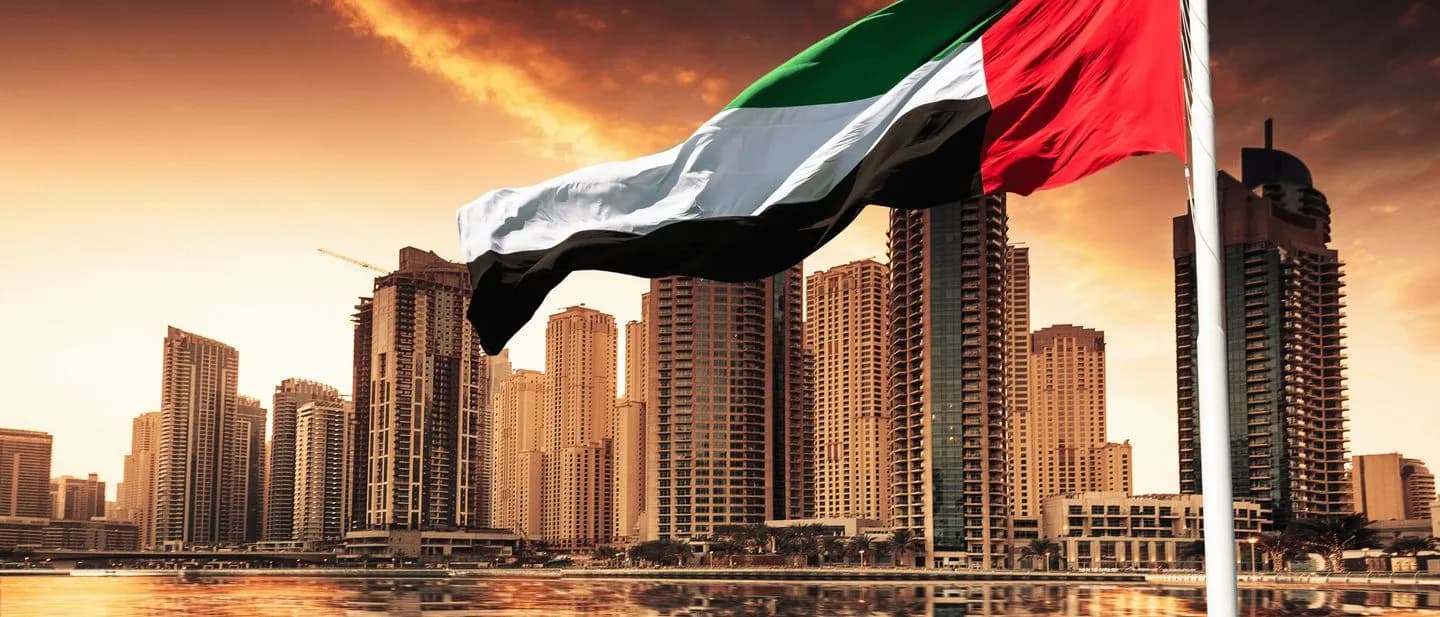
Over the past two decades, Dubai has established itself as one of the most dynamic and internationalized real estate markets in the world. Located in the United Arab Emirates, the city combines a clear regulatory environment, strong legal security, significant foreign investor participation, and a strategic global positioning between Europe, Asia, and Africa.
Dubai’s real estate sector is largely driven by international capital. It is estimated that foreign buyers account for more than 70% of transactions in certain freehold areas — zones where non-resident investors are permitted to acquire full ownership rights. This model has positioned the city as one of the world’s leading destinations for wealth diversification.
Market Appreciation and Performance
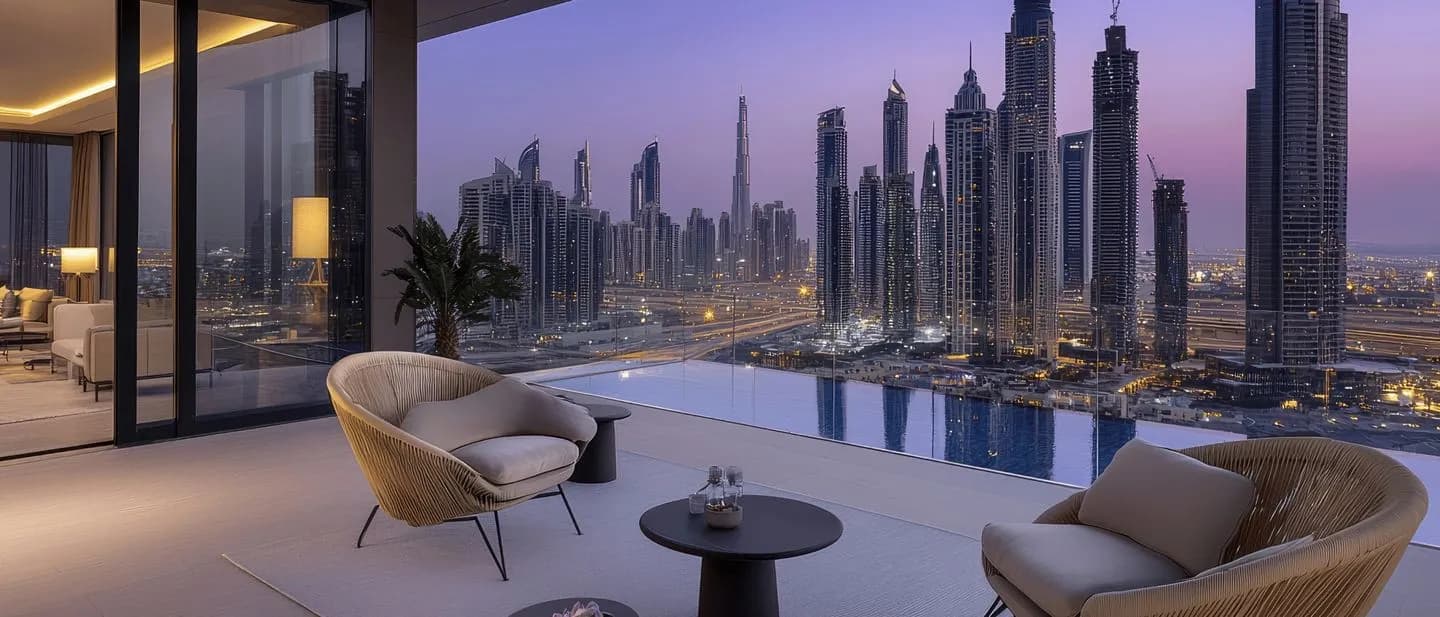
In recent years, the market has demonstrated consistent growth. During expansion cycles, certain prime districts have recorded annual appreciation between 10% and 20%, particularly within beachfront villas and high-end apartment segments. The average ticket for luxury properties varies significantly depending on location and typology, but assets in areas such as Palm Jumeirah and Downtown frequently exceed multi-million-dollar thresholds.
Rental profitability also attracts international investors. Depending on the district and property profile, gross annual yields typically range between approximately 5% and 8%, which is considered competitive when compared to major global metropolitan markets.
Prime Luxury Areas
Some zones concentrate higher demand and liquidity:
- Palm Jumeirah — known for its exclusive villas and panoramic Gulf views.
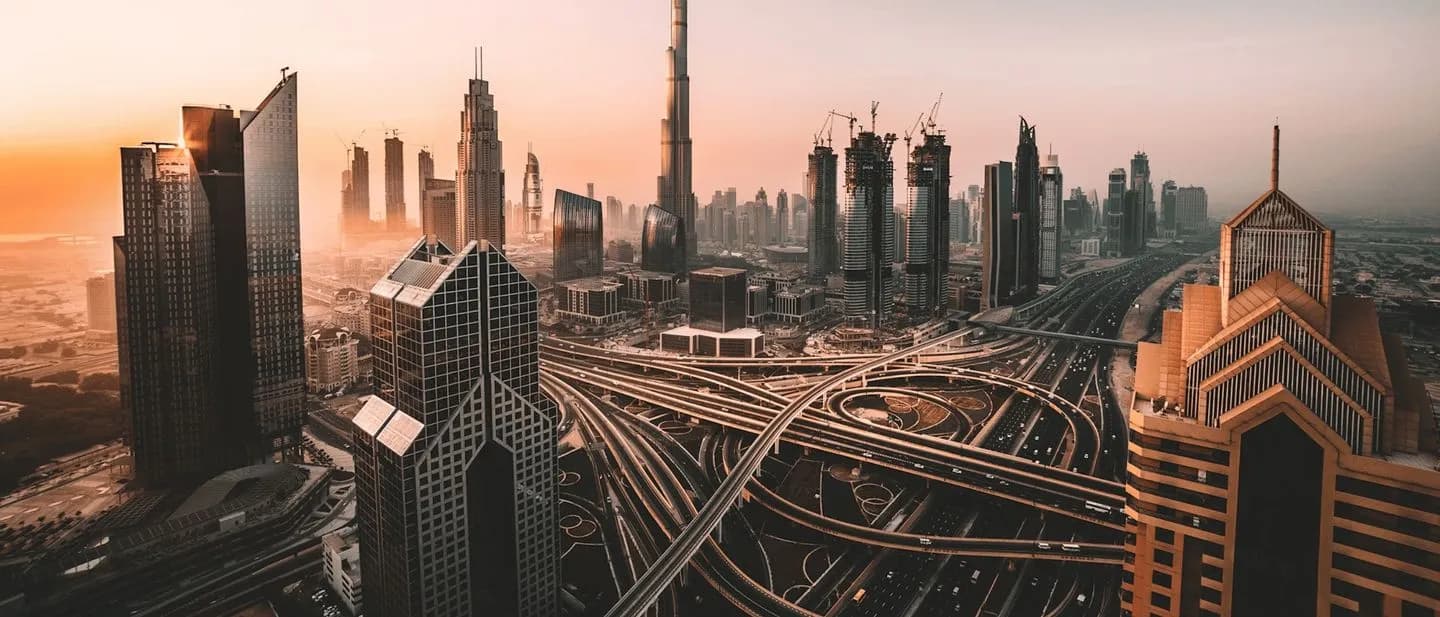
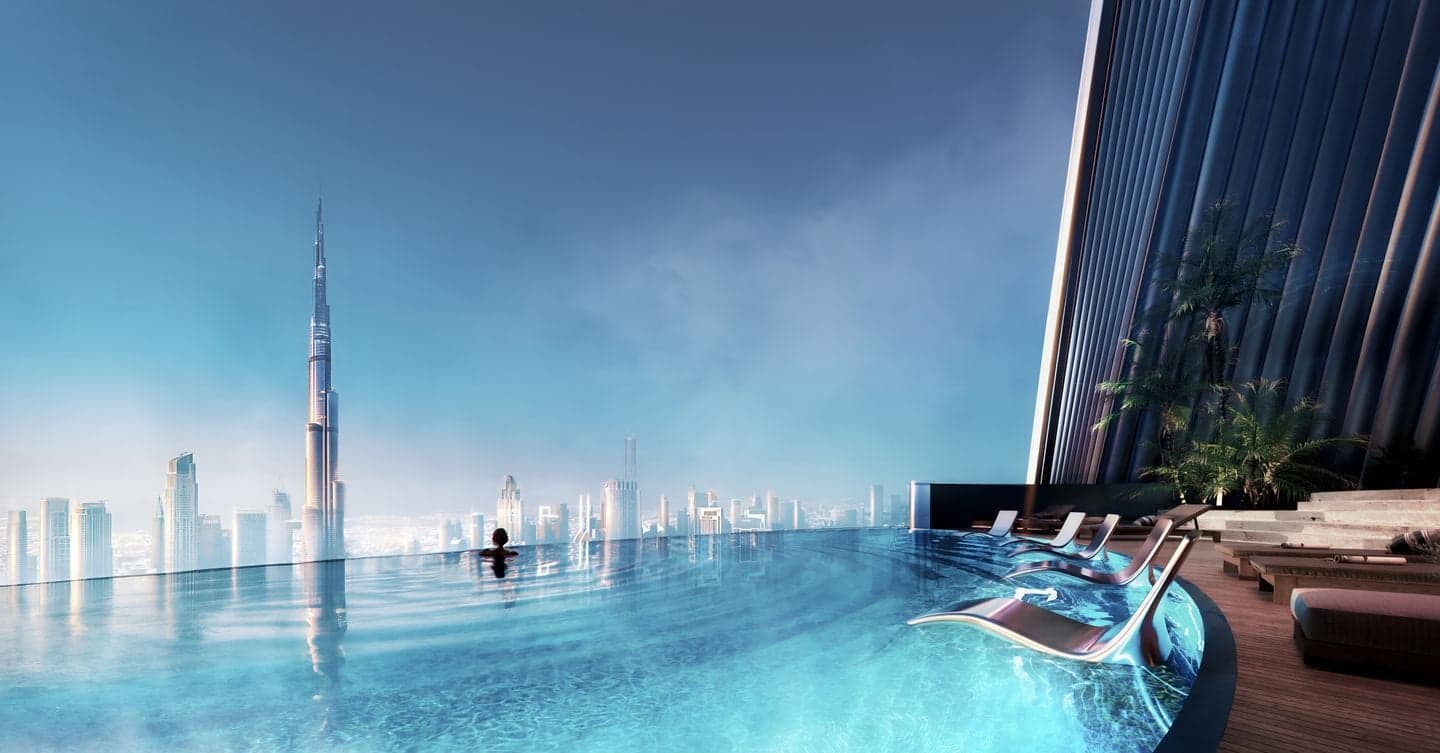
- Downtown Dubai — the urban epicenter featuring architectural icons and ultra-prime residences.
- Dubai Marina — a cosmopolitan district with strong international appeal.
- Business Bay — rapidly expanding with new luxury developments.
These districts combine modern infrastructure, proximity to financial centers, and strong architectural positioning.
Regulatory Environment and Legal Security
Property transactions are registered with the Dubai Land Department, ensuring transparency and formal legal structuring. The process is generally efficient and well-organized, benefiting both individual investors and corporate acquisition structures.
Another relevant factor is the tax environment. Dubai does not impose annual residential property taxes, positively impacting long-term holding costs when compared to traditional global markets.
Buyer Profile
The typical luxury real estate buyer in Dubai can be broadly categorized into three main profiles:
- International investors seeking currency diversification.
- Expatriate executives with fiscal residence in the region.
- Lifestyle buyers interested in acquiring a second residence.
This diversity of demand contributes to market liquidity, reducing reliance on a single buyer segment.
Architecture and Global Positioning
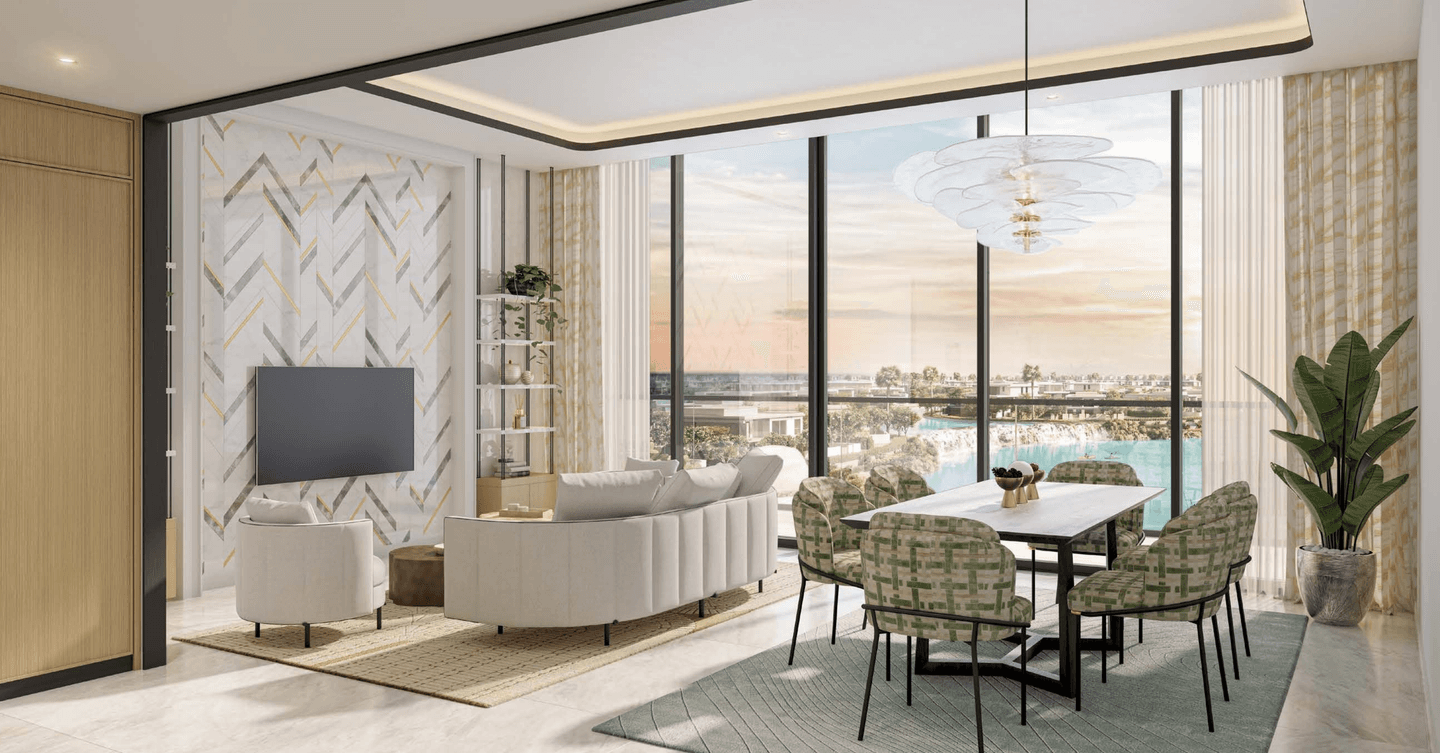
Dubai has become a reference point in contemporary architecture and iconic development projects. High-end properties frequently include:
- Integrated residential technology
- Concierge services
- Premium amenities
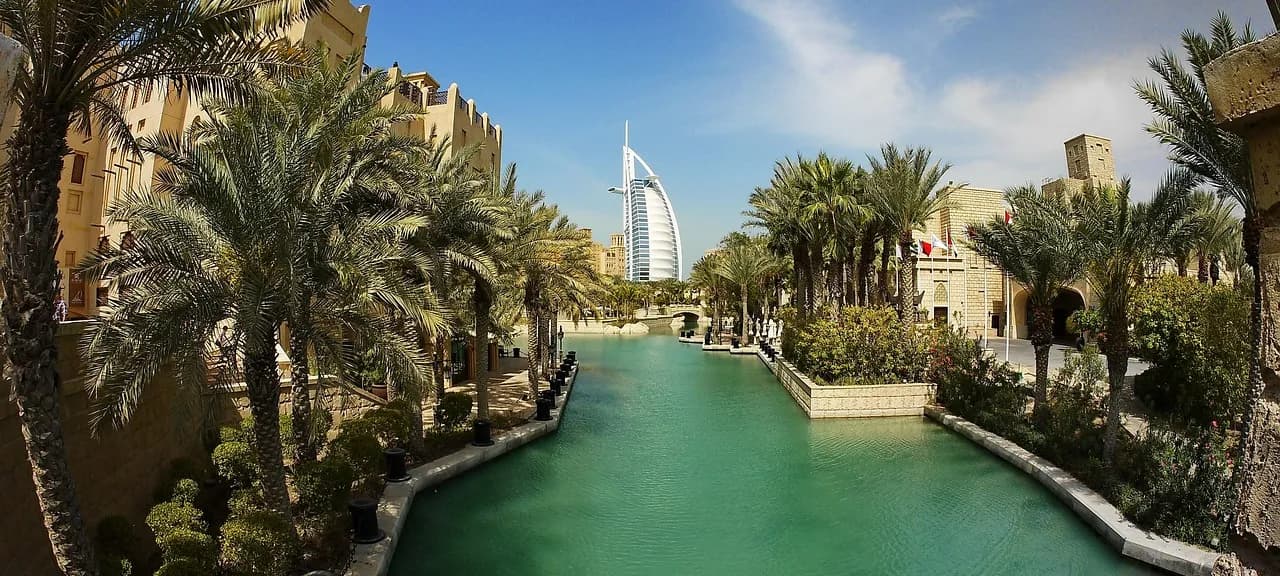
- Marina and waterfront integration
The city positions itself as a continuously expanding real estate ecosystem, with new launches planned to meet sustained international demand.